They break the law. We win in court.
With the Piantedosi and Flussi laws, the Italian government is attempting to criminalise NGO ships and hinder their operations. This is done through fines and detentions after the disembarkation of rescued persons. Court rulings following appeals by NGOs against these sanctions regularly overturn the measures for various reasons. The following decisions document key cases in which Italian courts ruled in favour of civilian sea rescue organisations.
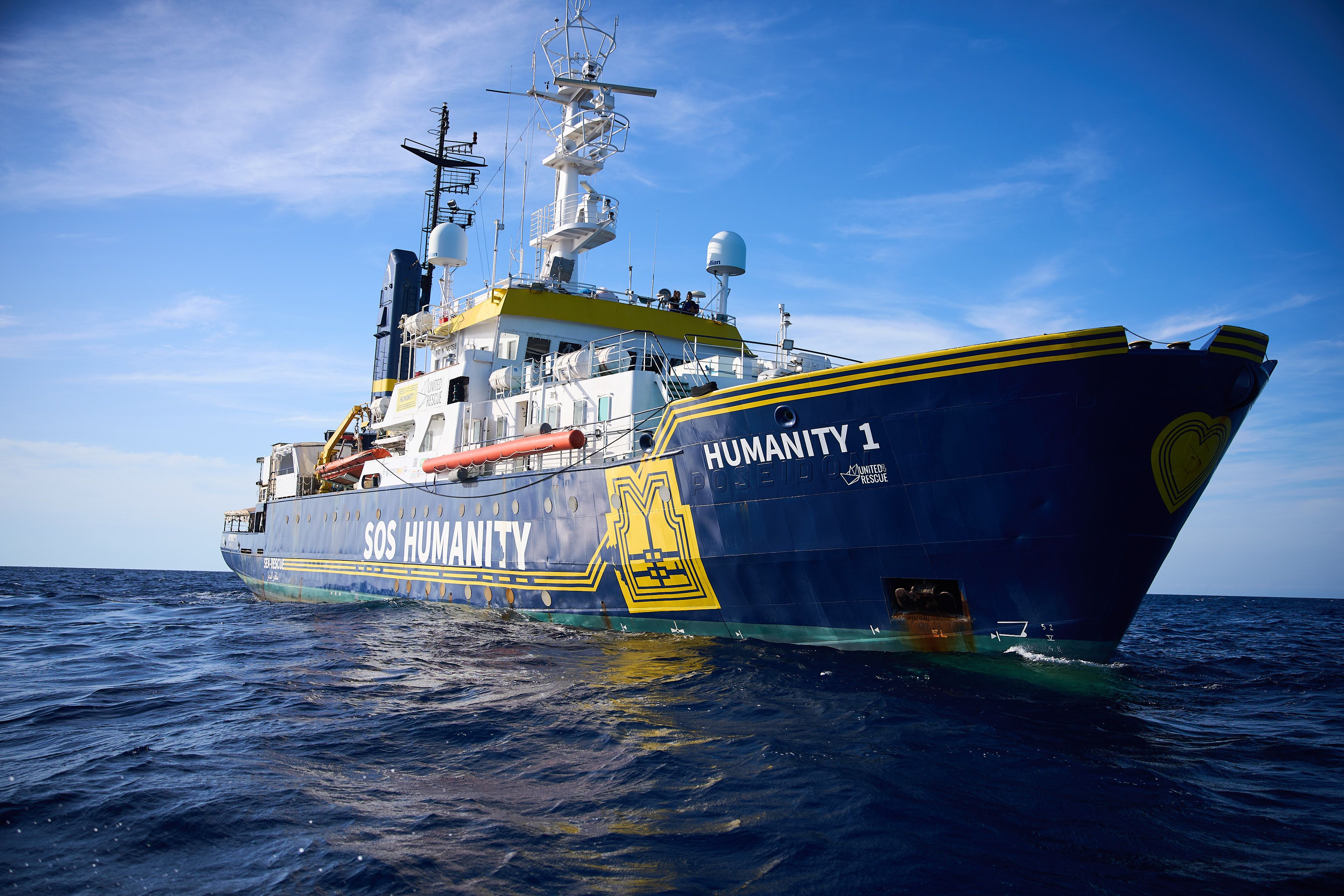
Case 1: The so-called Libyan Coast Guard and Rescue Coordination Centre are not legitimate rescue actors
On 26 June 2024 , the Civil Court of Crotone, Italy, ruled that the detention of the rescue ship Humanity 1 was unlawful. The court stated that the Libyan Rescue Coordination Centre and the so-called Libyan Coast Guard cannot be considered legitimate rescue authorities. This decision was upheld by the Court of Appeal in Catanzaro. For the first time, an Italian court confirmed that EU-supported cooperation with Libya does not comply with international standards of maritime rescue.
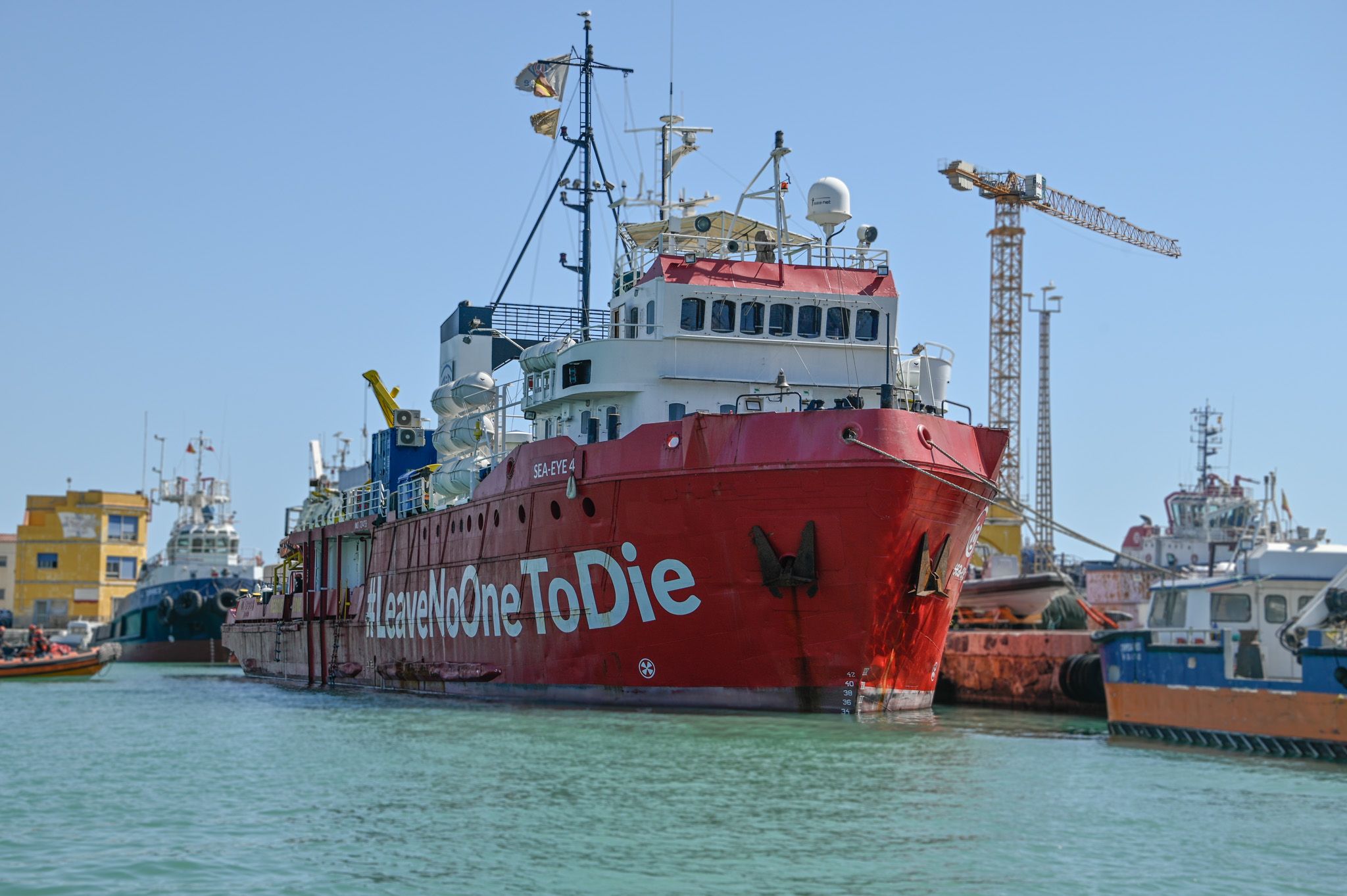
Case 2: Complying with their unlawful instructions violates international law
On 6 December 2024 , the Court of Vibo Valentia ruled that the detention of the rescue ship Sea-Eye 4 was unlawful. The judge found that the crew had fulfilled its obligation under international law to rescue people in distress at sea. At the same time, she stated that complying with the instructions of the so-called Libyan Coast Guard is not compatible with international law.
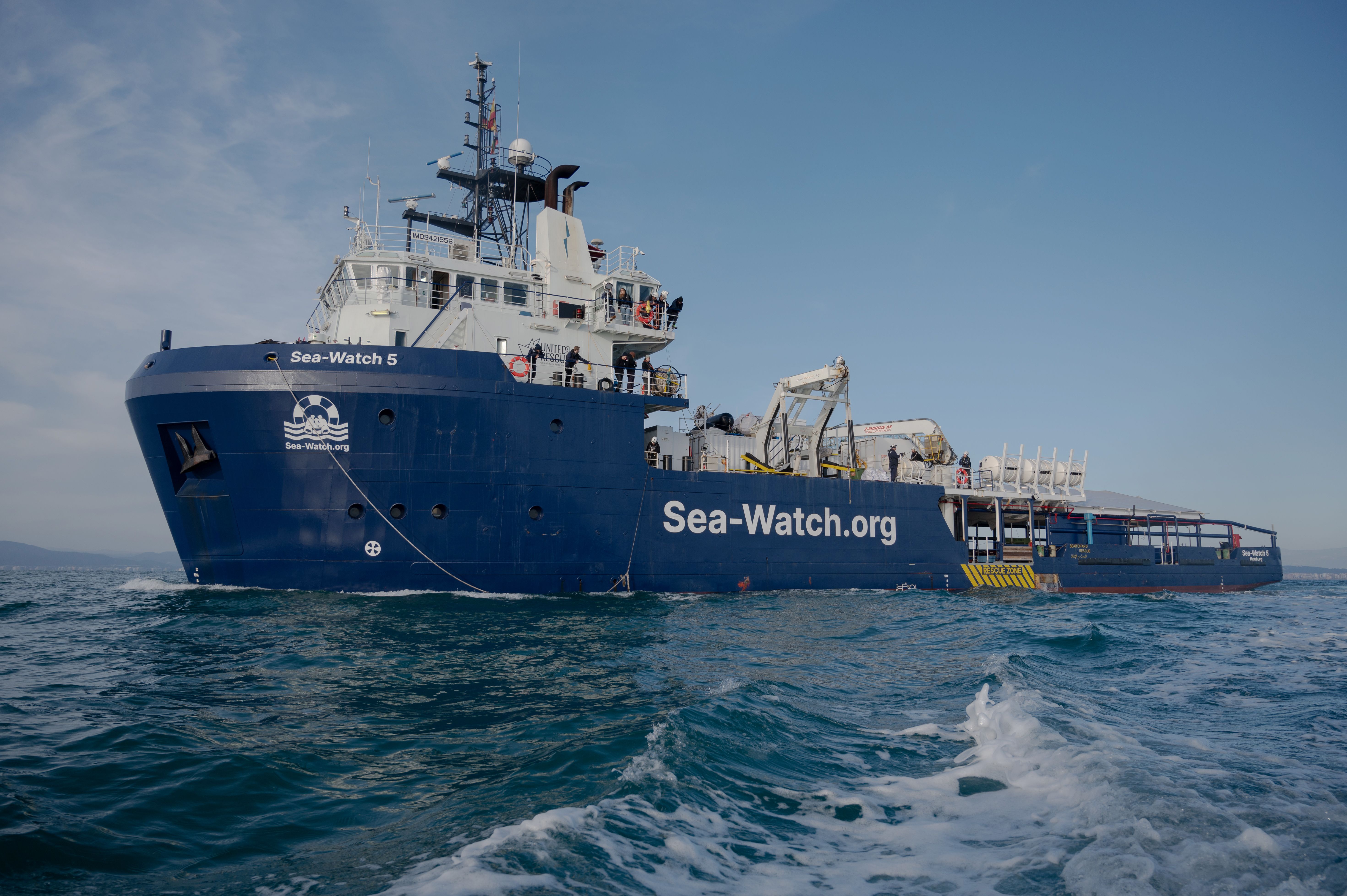
Case 3: Italian authorities repeatedly fail to provide evidence
On 7 February 2025 , the Civil Court of Rome ruled that the detention of the Sea-Watch 5 was based on unfounded allegations. The authorities failed to demonstrate that the vessel’s conduct was unlawful, meaning there had been no violation of the Piantedosi Decree. Background: The NGO vessel Sea-Watch 5 was detained in Civitavecchia on 3 September 2024 for 20 days and fined up to €10,000. The crew had been accused of carrying out rescue operations without authorization from the Libyan authorities. In its judgment on the merits, the Civil Court of Rome declared the detention unlawful.
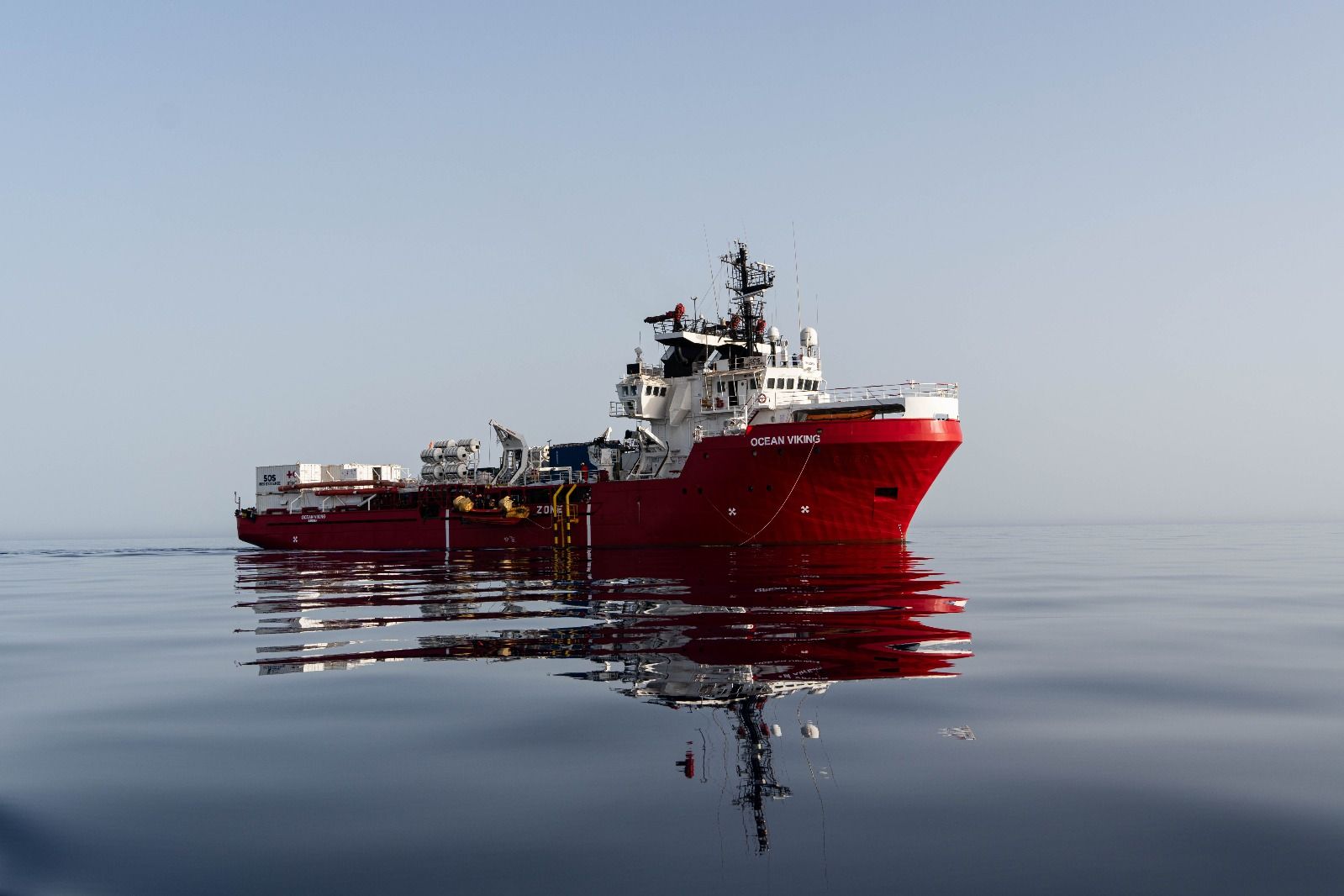
Case 4: Explicit recognition of the life-saving role of civil sea rescue organisations
On 22 February 2024 , the Civil Court of Brindisi lifted the detention of the rescue ship Ocean Viking and explicitly recognised the life-saving importance of civil sea rescue operations. The court emphasised that the organisation’s missions “pursue objectives of undeniable value – in accordance with constitutional principles and international law.”
Case 5: NGO vessels are essential for sea rescue
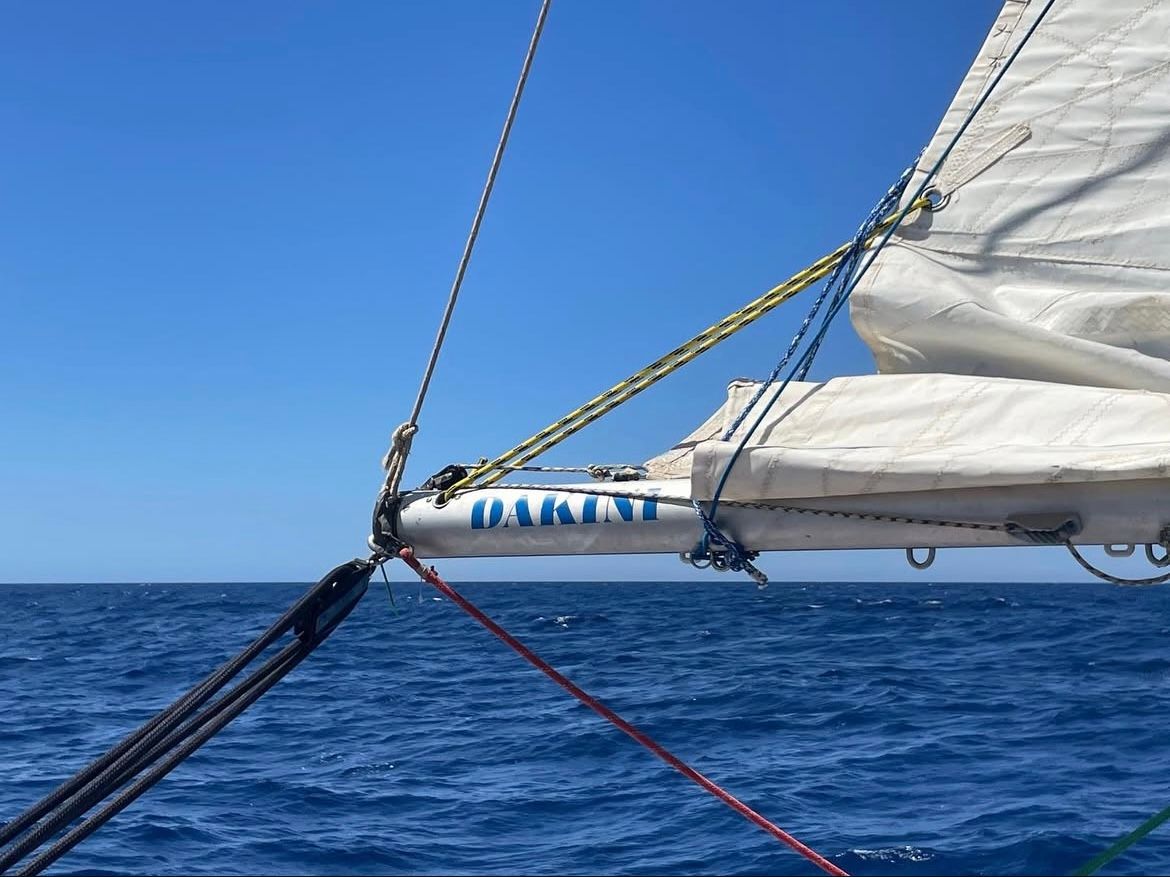
On 30 July 2025 , the Civil Court of Agrigento lifted the detention of the rescue vessel Dakini. The court found that the ship serves a humanitarian purpose in accordance with international law and that its detention therefore hinders its missions. The judges further emphasised that, given the increase in crossings in the central Mediterranean during the summer months, the deployment of this vessel is all the more crucial.
Case 6: Detention violates fundamental rights and hinders rescue operations
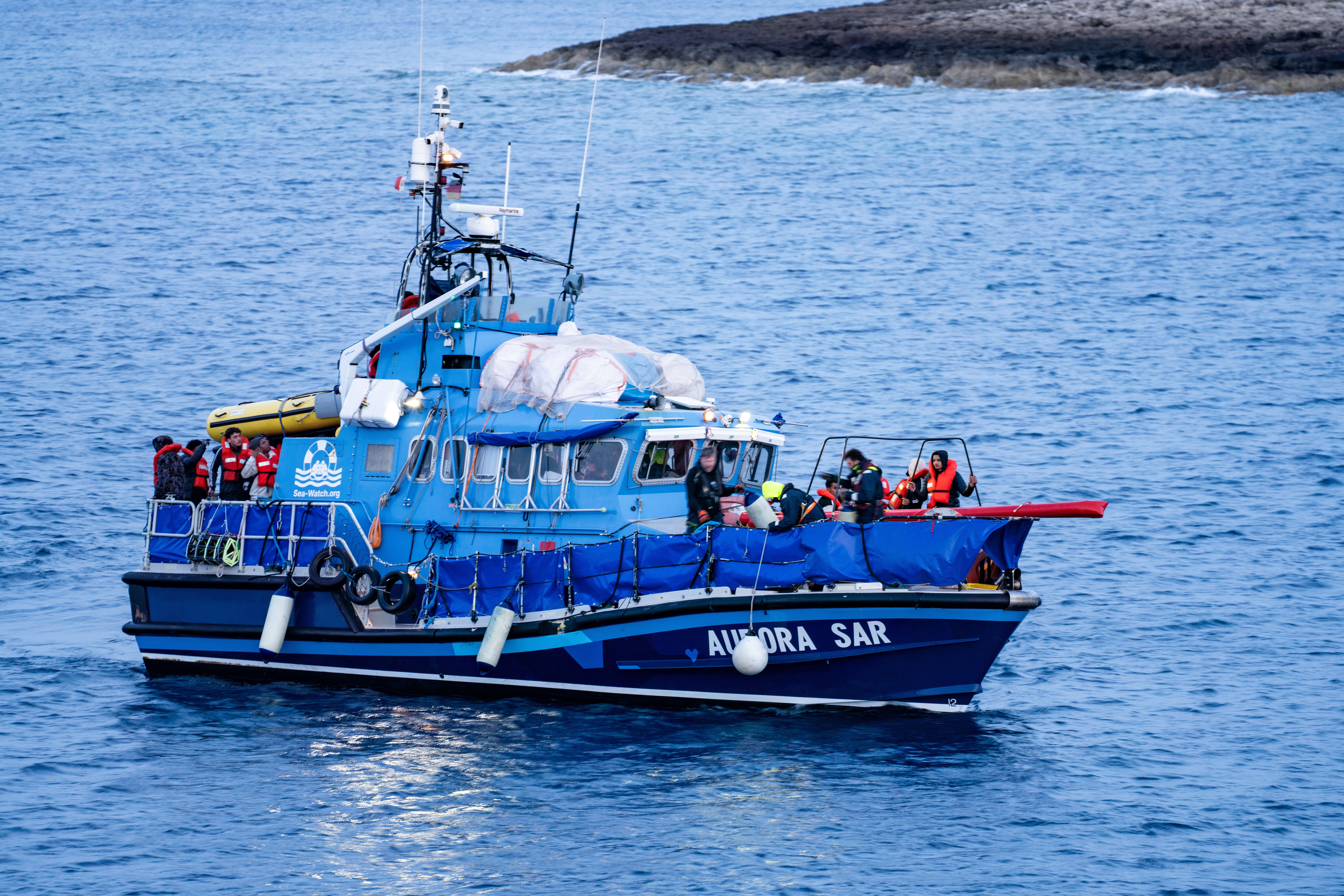
On 4 August 2025 , an Italian court lifted the detention of the rescue vessel Aurora, which had been blocked in port for 18 days. The court found that the captain’s actions were consistent with the principles of the Italian Constitution and the European Convention on Human Rights. It justified the urgency of lifting the precautionary measures by referring to the primacy of the right to life and human dignity, as well as to the freedom to operate in accordance with obligations under international law.
Case 7: The court recognised that disregarding official instructions was motivated by an “exclusively humanitarian spirit” aimed at protecting vulnerable people on board and safeguarding life and health at sea
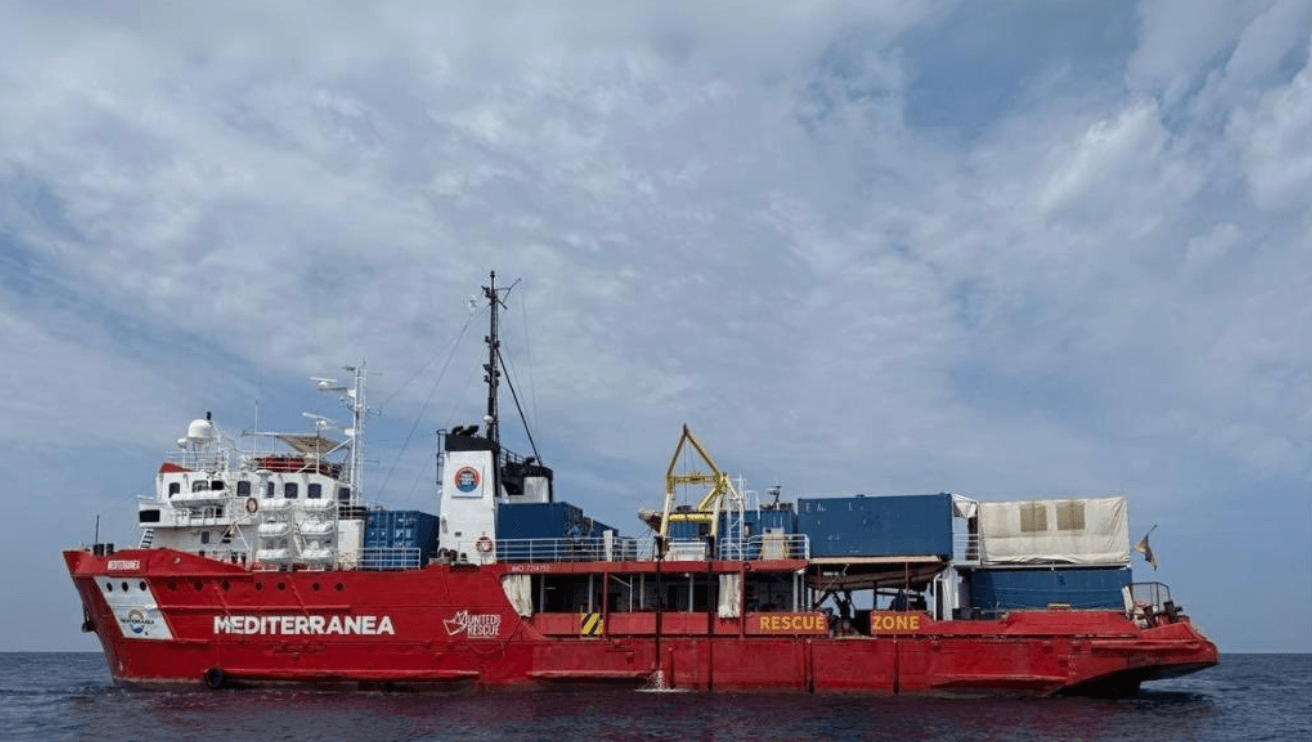
On 8 October 2025 , the Civil Court of Trapani lifted the detention of the rescue vessel Mediterranea and criticised the illegality of the detention with regard to the amount of the imposed fine. The court found that the crew’s decision to head for a closer port had been made out of an exclusively humanitarian spirit – with the aim of protecting the lives and health of the rescued people.
Case 8: Court confirms suspension of detention recognising humanitarian purpose of rescue operations
On 21 October 2025, the Civil Court of Agrigento confirmed its earlier decision to suspend the detention of the small NGO rescue vessel Aurora (Sea-Watch). The ship had initially been released by the same court on 4 August 2025, when the judges found that the detention unjustifiably interfered with humanitarian search-and-rescue activities at sea. By reaffirming its ruling, the court upheld its reasoning that restricting the vessel’s operations undermines its lifesaving mission and conflicts with obligations arising under international maritime and human rights law.
Case 9: Court reaffirms suspension of detention and safeguards NGO rescue mission
On 22 October 2025, the Civil Court of Agrigento confirmed its earlier decision of 30 July 2025 to suspend the detention of the NGO sailing vessel Dakini. By upholding its original ruling, the court once again recognised that detaining the vessel would unjustifiably obstruct its humanitarian search-and-rescue activities. The judges reaffirmed that preventing the ship from operating would hinder efforts to protect life at sea and would be incompatible with the vessel’s essential humanitarian purpose under international maritime and human rights law.
Case 10: Court confirms suspension of detention and upholds the protection of life at sea
On 3 December 2025, the Civil Court of Agrigento confirmed its earlier decision of 10 September 2025 to suspend the detention of the NGO vessel Trotamar III (CompassCollective). By reaffirming the suspension, the court maintained that preventing the ship from operating would unjustifiably interfere with its humanitarian search-and-rescue mission. The ruling underscores that measures restricting rescue vessels must be assessed in light of the fundamental obligation to protect life at sea and the overarching principles of international maritime and human rights law.
Case 11: Court orders immediate suspension of 60-day detention due to its gravity
On 11 December 2025, the Civil Court of Agrigento suspended the 60-day detention of the NGO rescue vessel Mediterranea (Mediterranea – Saving Humans). In light of the particular gravity and impact of the measure, the court ordered the suspension without holding a prior hearing. By intervening urgently, the judges ensured that the vessel’s humanitarian search-and-rescue activities would not be disproportionately hindered, thereby safeguarding the protection of life and human dignity at sea in accordance with constitutional and international legal obligations.
Case 12: Court declares fine and detention unlawful and affirms transparency of rescue operations
On 19 January 2026, the Civil Court of Agrigento ruled that both the fine imposed on and the detention of the NGO fast rescue vessel Aurora (Sea-Watch) were unlawful. The court found that the Italian authorities had been continuously and transparently informed about the vessel’s situation and operations. In contrast, the authorities failed to demonstrate that the ship had violated the so-called Piantedosi Decree-Law. The ruling therefore confirms that punitive measures against rescue vessels must be based on clear legal grounds and cannot stand where compliance with reporting obligations and humanitarian duties is duly established.
Case 13: Court confirms suspension of 60-day detention and safeguards ongoing rescue operations
On 28 January 2026, the Civil Court of Agrigento confirmed its earlier decision to suspend the 60-day detention of the NGO rescue vessel Mediterranea (Mediterranea – Saving Humans). By upholding the suspension, the court reaffirmed that prolonged administrative measures must not disproportionately interfere with humanitarian search-and-rescue missions. The ruling once again underscores that restrictions on rescue vessels must be assessed in light of the fundamental obligation to protect life at sea and to respect constitutional and international legal guarantees.
Case 14: Court finds detention unlawful due to procedural error
On 16 February 2026, the Civil Court of Genova ruled that the detention of the NGO rescue vessel Geo Barents (Médecins Sans Frontières) in September 2024 had been unlawful. The court identified a procedural error in the administrative measure and concluded that, on this basis alone, the vessel could not lawfully be subjected to a 60-day detention. The ruling highlights that restrictions on humanitarian rescue ships must strictly comply with procedural safeguards and legal requirements, and cannot stand where due process has not been respected.
Case 15: Court orders suspension inaudita altera parte to prevent aggravation of sanction
On 18 February 2026, the Civil Court of Catania suspended the (already expired) 15-day detention of the NGO rescue vessel Sea-Watch 5 (Sea-Watch). The court held that the conditions for granting the suspension inaudita altera parte—without hearing the other party—were fulfilled, in order to prevent a potential aggravation of the sanction. The ruling underscores that urgent judicial protection is warranted where restrictive measures against rescue vessels risk producing disproportionate or escalating consequences, particularly in the context of humanitarian search-and-rescue operations at sea.